What is a chiropractic adjustment?
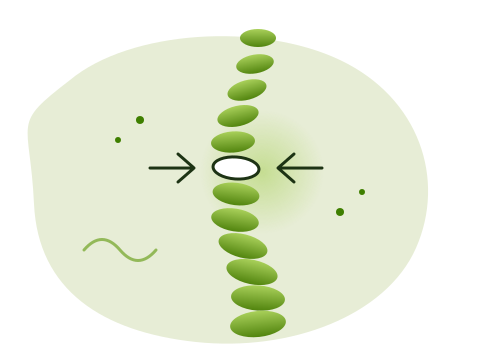
A chiropractic adjustment is a quick, controlled movement applied by hand to a joint of the spine or body to help it move better. The movement takes the joint a little further than it moves on its own. Most people feel brief pressure, and some hear a pop.
How an adjustment visit works
- History and exam first. Dr. Ken asks what brings you in, reviews your health history and examines you to decide whether an adjustment is a reasonable option.
- Getting positioned. You are positioned on the table in the way that suits the area being adjusted.
- The adjustment. Dr. Ken applies a quick, controlled movement by hand. You may feel pressure, and sometimes there is a popping sound.
- Next steps. Afterward Dr. Ken talks through how you felt and what he recommends next.
New to the office? Fill out your forms online before your first visit. Most insurance plans are accepted, and an affordable cash plan is available. Call 636-300-8089 to confirm your plan.
What an adjustment may feel like
Most people feel brief pressure and a quick movement in the joint. Some people feel looser afterward. Others have mild soreness, stiffness or a headache. The National Center for Complementary and Integrative Health (NCCIH) says these effects are common after spinal manipulation and that most go away within 24 hours. Tell Dr. Ken if anything feels sharp, or if soreness lasts longer than you expected.
What people use adjustments for
Reasons people come to see Dr. Ken for adjustments include:
- Back pain and sciatica
- Neck pain and a stiff neck
- Headaches
- Pain that radiates into the arms or legs
- Sprains, strains and sports injuries
- Whiplash and car accident injuries
- Hip pain
- Arthritis and spinal degeneration
See the full list of reasons people come to see us.
Research on spinal manipulation has looked most at low-back pain, neck pain and some kinds of headache, with modest benefits reported for low-back pain. There is little high-quality research on conditions outside the muscles and joints. Results vary from person to person. An exam always comes first, and Dr. Ken will tell you whether he thinks adjustments are a good fit or whether another option makes more sense.
Safety and who should be careful
Serious side effects from spinal manipulation are very rare, according to NCCIH, but the chance may be higher for people who already have certain health problems. That is why your history matters. Tell Dr. Ken about your health conditions, past injuries and surgeries, and any medications you take.
Certain conditions, such as osteoporosis, a recent fracture or some circulation problems, may mean Dr. Ken recommends a different approach. He will tell you if he thinks an adjustment is not right for you.
Neck adjustments. Adjustments to the neck have been linked to rare tears in the arteries of the neck, which can lead to a stroke. NCCIH says the chance is low and that experts disagree about whether manipulation causes these tears, but patients should know about the risk. Ask Dr. Ken any questions you have about neck adjustments before you decide.
Chiropractic care does not replace your medical doctor. If you have sudden weakness, trouble speaking, a sudden severe headache or another medical emergency, call 911.
Adjustments, massage and decompression compared
Swipe sideways to see every column.
| Chiropractic adjustment | Massage therapy | Spinal decompression | |
|---|---|---|---|
| What it is | A quick, controlled movement of a joint, done by hand | Hands-on work on muscles and soft tissue | A slow, cycled stretch of the spine on a dedicated table |
| How it feels | Brief pressure, sometimes with a pop | Steady hands-on pressure | A gentle pull that eases on and off |
| Often used for | Back pain, neck pain, headaches, stiff joints | Daily aches, pains and stress | Disc problems, sciatica, radiating pain |
Combining care
Depending on what you need, adjustments may be combined with spinal decompression, cold laser therapy or massage therapy.
Chiropractic adjustment questions
Does a chiropractic adjustment hurt?
Most people feel brief pressure or a quick stretch, not sharp pain. Some feel mild soreness or stiffness afterward, which often passes within a day. If anything feels uncomfortable, tell Dr. Ken right away so he can change what he is doing.
What is the popping sound?
The pop is generally thought to be gas released from the fluid in a joint, much like cracking a knuckle. You do not need to hear a pop for an adjustment to be done, and some adjustments make no sound at all. If the sound worries you, ask Dr. Ken to explain.
How many visits will I need?
There is no set number. It depends on what is going on, how long you have had it and how your body responds. Dr. Ken will recommend a plan after your exam and check in as you go. Results vary, and you can ask about your plan at any visit.
Is chiropractic safe?
Serious side effects are very rare, according to the National Center for Complementary and Integrative Health, and mild soreness is more common. Risk may be higher with certain health problems, so tell Dr. Ken your full history and medications. Ask about any concern, including neck adjustments.
Can I get adjusted during pregnancy?
It depends on your health history, so talk with your OB or midwife and with Dr. Ken first. Reports of serious problems are very rare, but there has not been much rigorous research. Call the office at 636-300-8089 to ask about your situation.
What should I wear to an adjustment?
Comfortable clothes you can move in are usually the easiest choice, such as athletic wear or loose pants and a soft shirt. Skip stiff or restrictive clothing. If you are unsure what to wear for your visit, call the office at 636-300-8089 and ask.
Do you see kids and seniors?
Many families come to the office, and whether chiropractic fits depends on the person's health history. Dr. Ken examines each patient first. Call 636-300-8089 to ask about your child or an older family member, and talk with their medical doctor as well.
See all frequently asked questions
Learn more from independent sources
- National Center for Complementary and Integrative Health: Spinal manipulation, what you need to know
- National Center for Complementary and Integrative Health: Chiropractic, in depth
Page updated October 14, 2026.